Drawn for air, not for attention
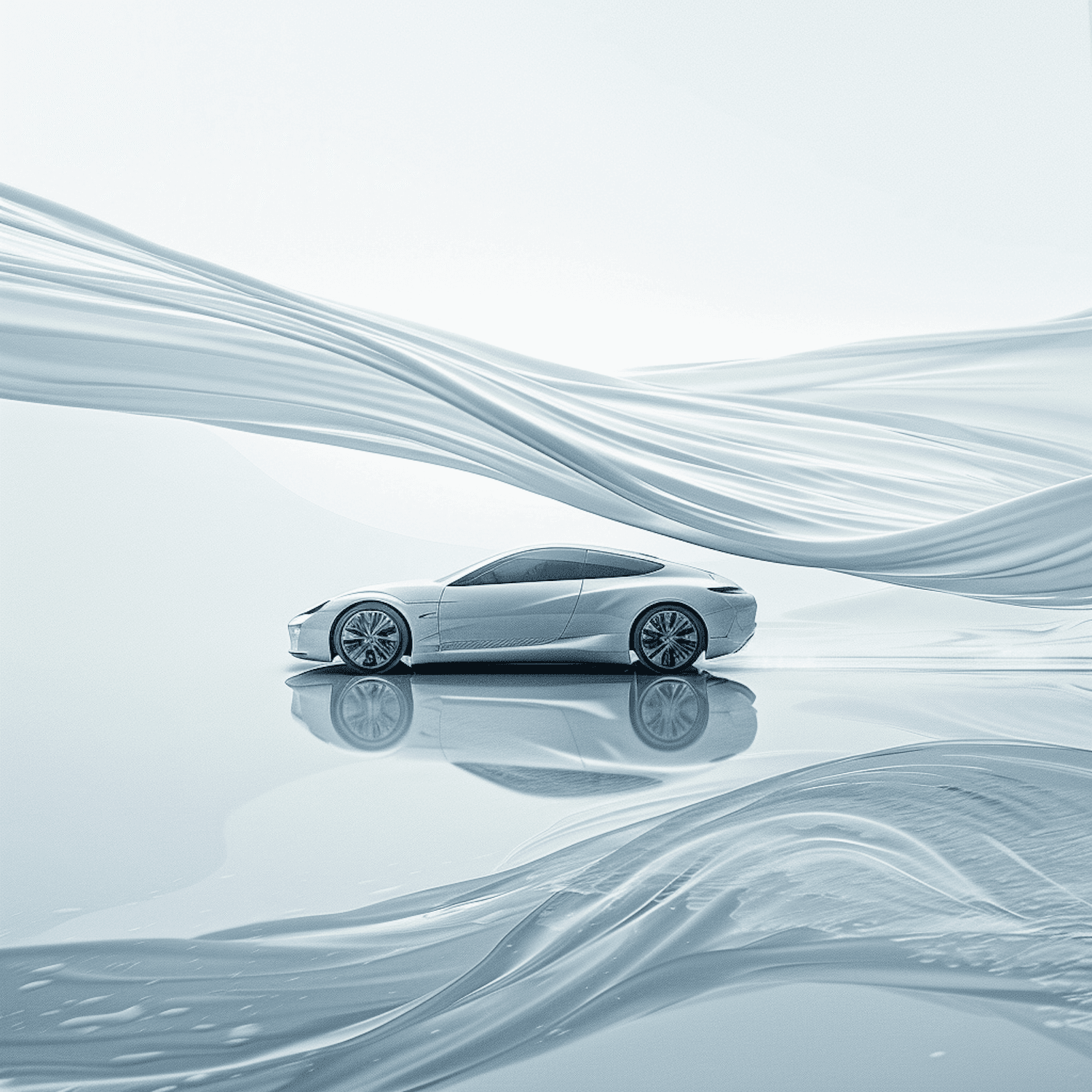
With no engine to package under the bonnet, the SU7 could be shaped around airflow and stance instead of around hardware. Most of what makes it look the way it does is aerodynamic work that happens to be beautiful, and a great deal of it is on surfaces you will never see.
Proportion first, decoration never
The SU7 starts from a classic sport car proportion: a long bonnet, a cabin set back toward the rear axle and wheels pushed out to the corners. Because there is no engine to package under the nose, the shape could be drawn for airflow and stance rather than around a block of metal. What you are looking at is mostly aerodynamics that happen to be beautiful.
One line, nose to tail
A single unbroken shoulder line runs the length of the car and rises as it approaches the rear haunch. There are no applied creases fighting it and no contrasting trim breaking it up.
Flush surfaces
Door handles, glass edges and panel joins sit flush with the bodywork. It is quieter at speed, it is cleaner to look at, and it is the difference between a shape that was styled and one that was resolved.
Wheels shaped by airflow
The wheel designs are aerodynamic elements. Closed sections manage the turbulence that spinning wheels generate, which is one of the least glamorous and most effective ways to protect range.
Managed underbody
The floor is largely flat and the air leaving the car is directed rather than left to tumble. Most of the aerodynamic work on this car is on surfaces you will never see.
Recognisable before the badge is
Lighting is how a modern car introduces itself in the dark, and the SU7 treats it as a graphic rather than an afterthought. Front and rear signatures are drawn as continuous strokes so the car has a shape you can identify in a mirror at a distance.
Front signature
A slim horizontal graphic sits low and wide, emphasising width and keeping the nose visually close to the ground. It reads as one element rather than a cluster of separate lamps.
Rear light bar
The tail lights are drawn as a single stroke across the full width of the car, which is what makes the rear instantly recognisable at night and visually widens the stance.
Adaptive main beam
The headlights adjust their pattern to the road ahead, keeping light where you need it without dazzling oncoming traffic. Useful on an unlit road, invisible everywhere else.
Approach and departure
The car acknowledges you as you walk up to it and settles down again as you leave, in a sequence that is deliberately brief rather than theatrical.
Design gallery
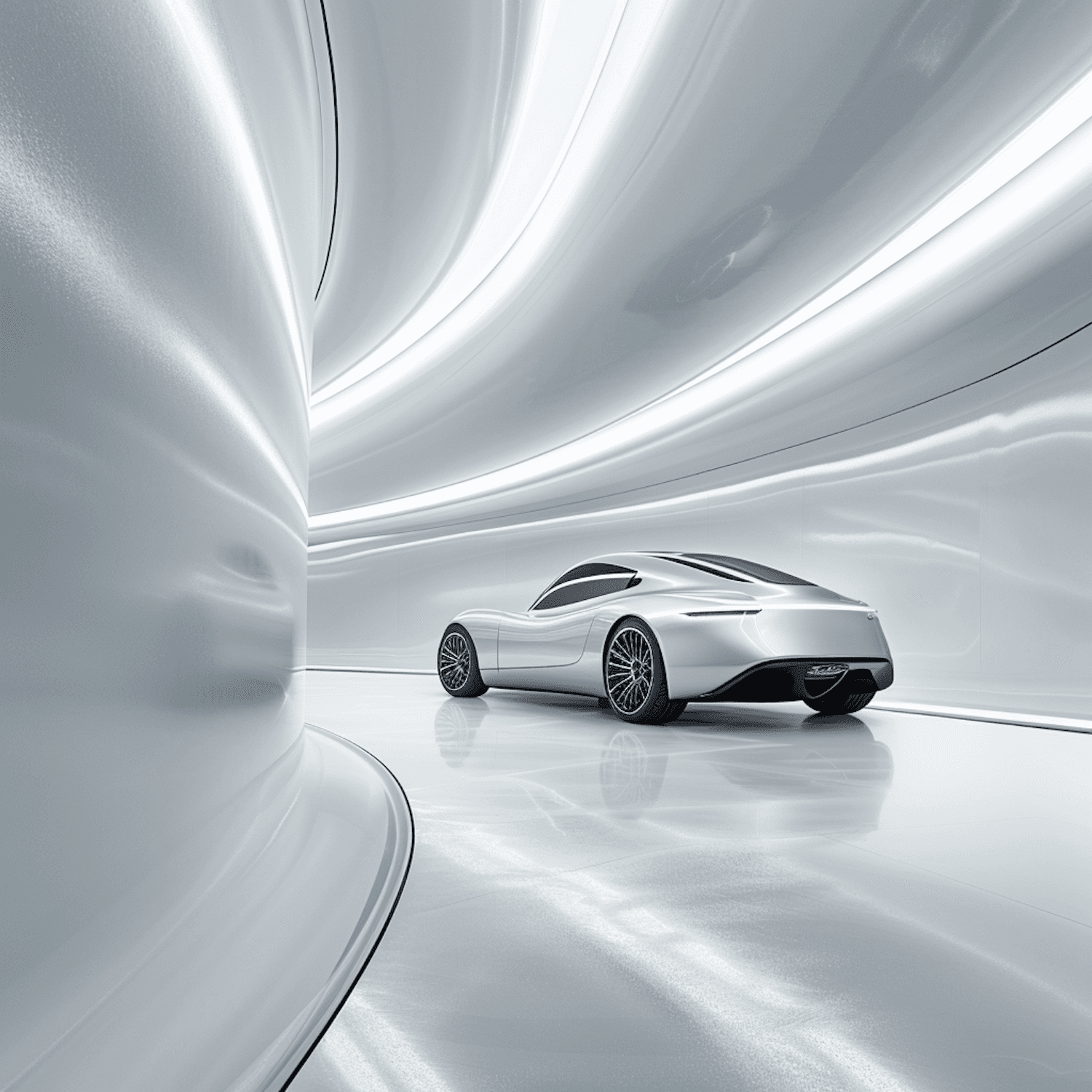
Long bonnet, cab-rearward stance
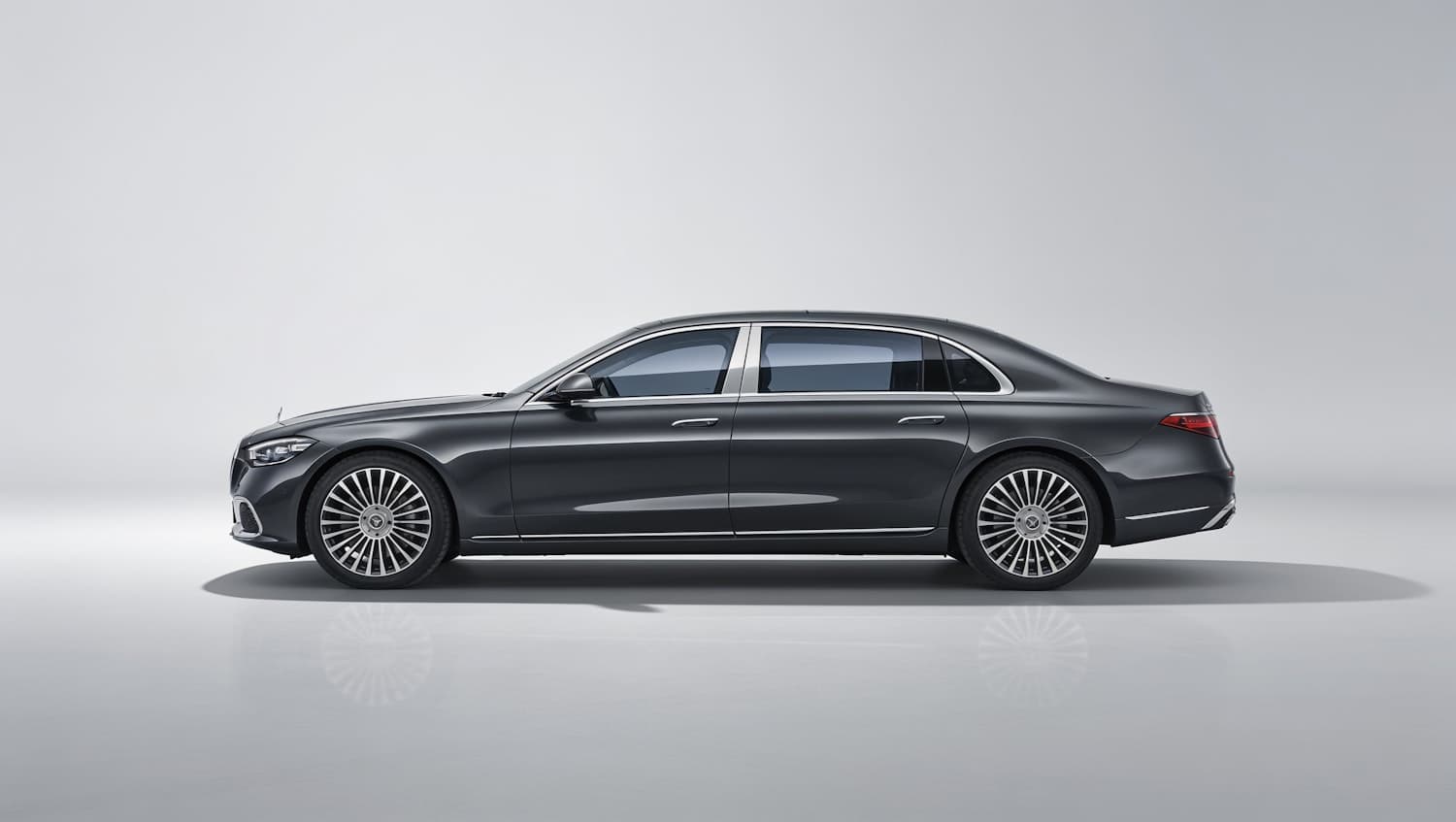
One unbroken line, nose to tail
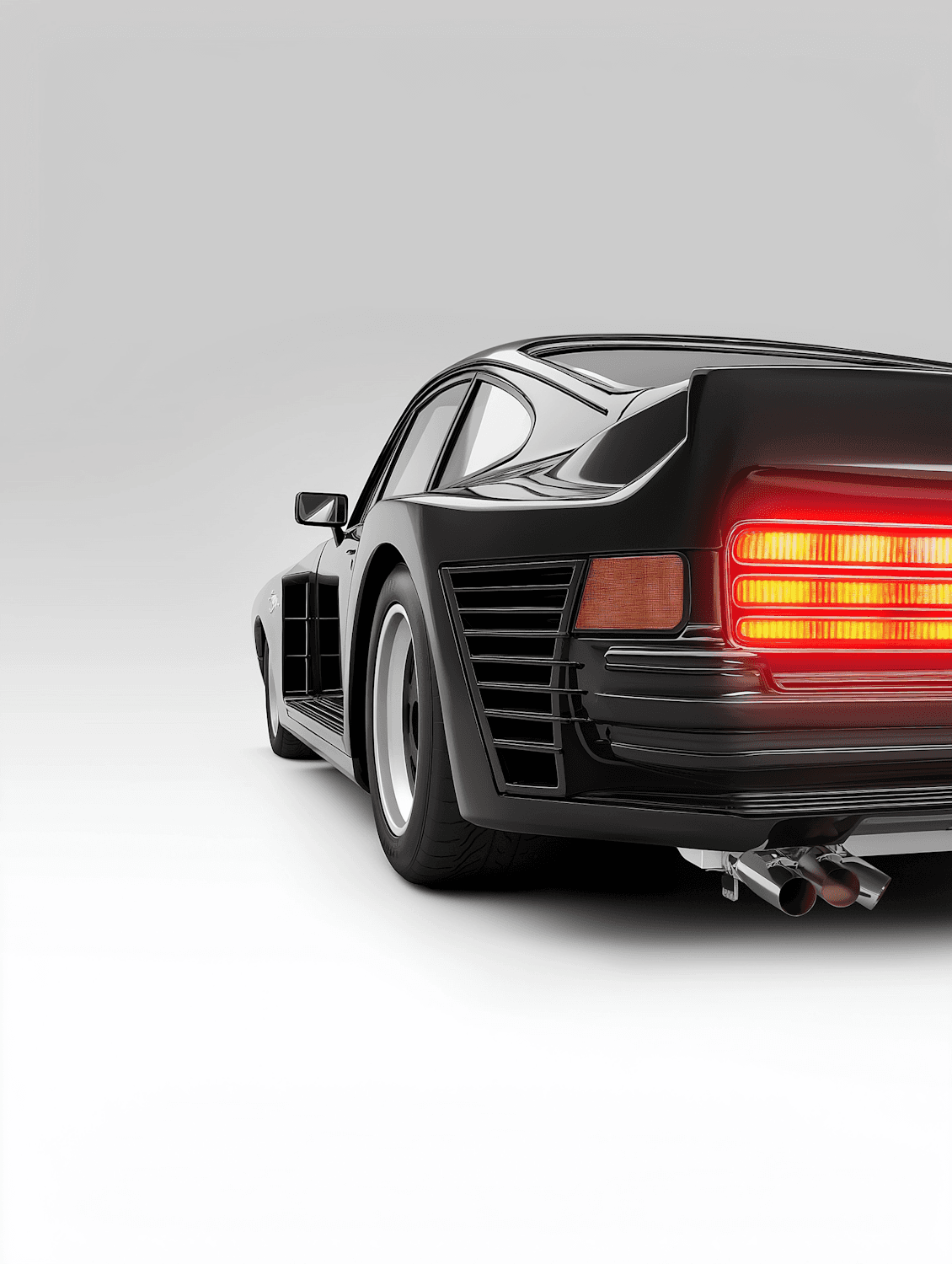
Light bar reads as a single stroke
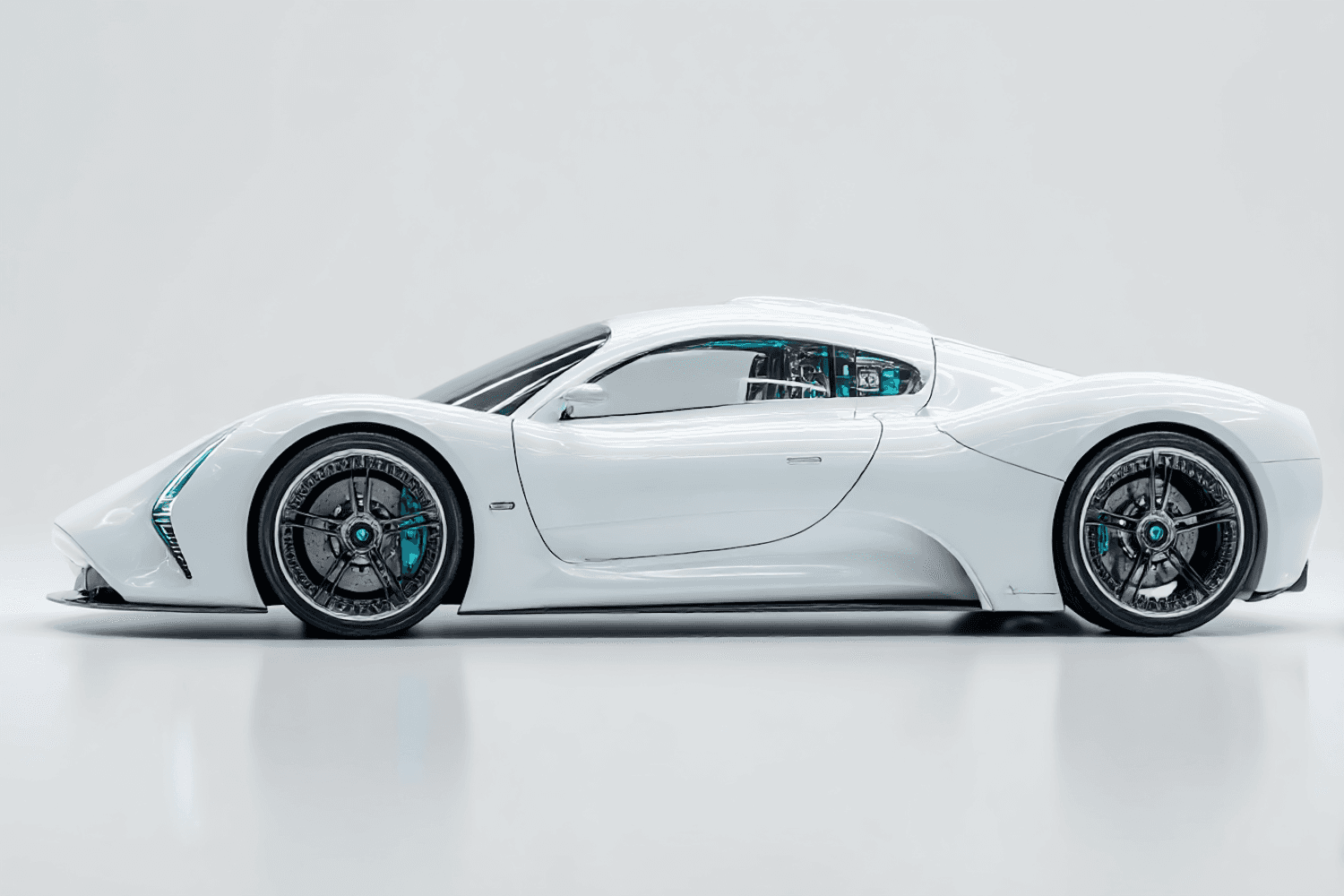
Wheels shaped for airflow, not just looks
Shoulder line rising toward the rear axle
Stability that holds at speed
Everything angled at the driver
The cabin is arranged around the person driving. The centre stack is turned toward the driver seat, the primary display sits in the natural line of sight, and physical controls survive for the functions you reach for without looking. It is a driver-first layout that has not forgotten there are three other seats.
Information layering
Head-up projection
In your line of sight- Speed
- Next turn
- Assist status
Driver cluster
Behind the wheel- Charge
- Range
- Drive mode
- Warnings
Central display
Within reach- Navigation
- Media
- Climate
- Vehicle
- Profiles
A diagram of how the three surfaces divide the information between them, not a photograph of the cabin. Layout and available functions vary by trim and software version.
Layered information
Speed and guidance project onto the windscreen, the driver cluster carries vehicle status, and the central display handles everything that can wait. You are not asked to look for information in the wrong place.
Materials chosen by touch
The surfaces you contact constantly are the ones that get the good materials. Grain, stitching and weight are consistent rather than concentrated in the places a showroom photograph would find.
Real switches where they matter
Drive mode, volume and climate keep physical controls. Menus are excellent for configuration and poor for anything you need to do at seventy miles an hour.
Ambient lighting with restraint
Cabin lighting picks out the architecture of the dashboard and doors, tuned low enough at night that it never competes with the road ahead.
Drive it before you decide
Reading about a car only gets you so far. Book a test drive and spend proper time with the SU7 on a route that includes both town traffic and open road, or request the brochure first if you would rather have the detail in front of you.


